A small nursery in central Wrocław

Closeness. Calm. Growth.

A good start, at your child’s own pace. A small group, attentive adults and a bright, calm space in the heart of Wrocław.

We enrol all year round, subject to available places.

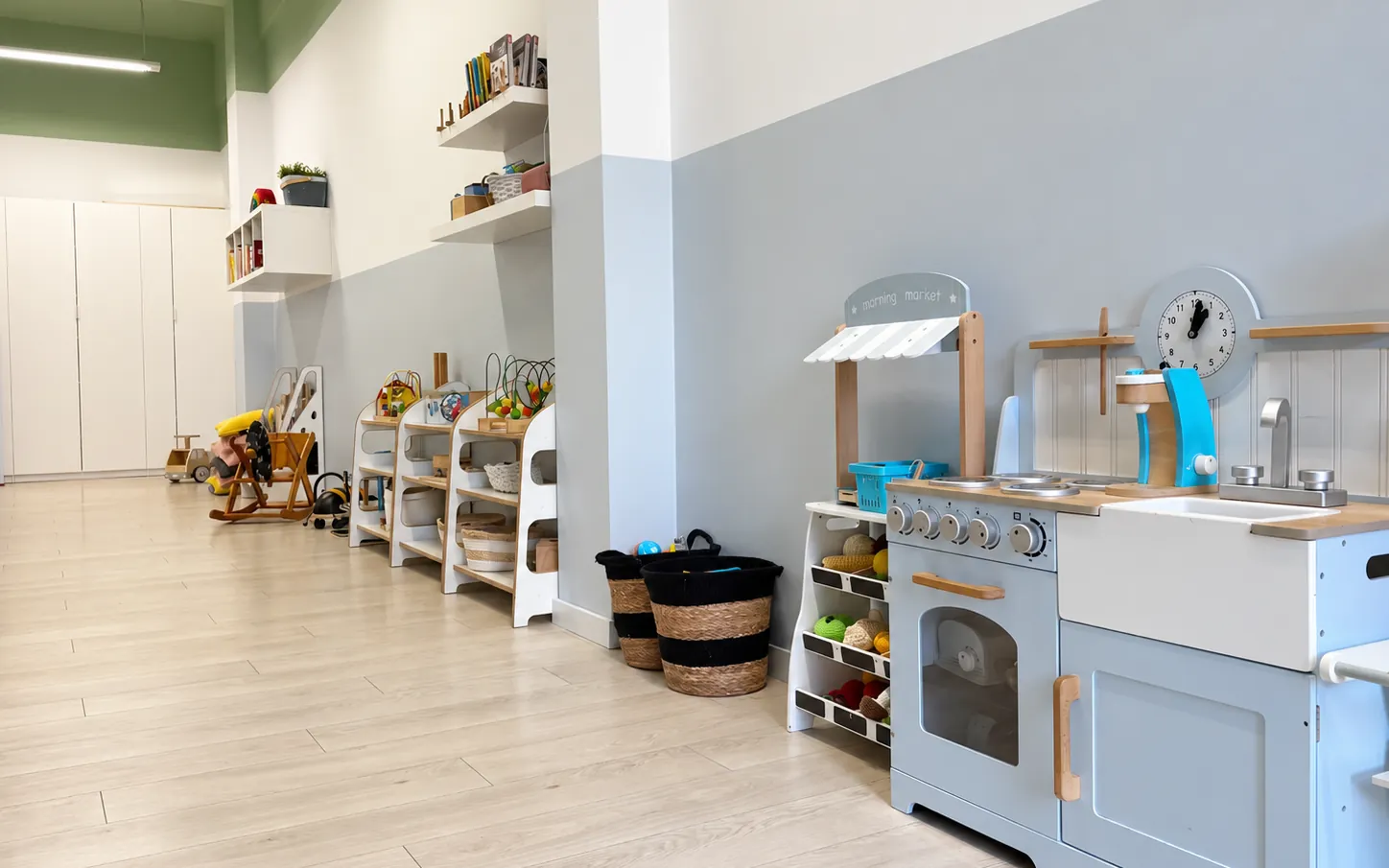
A bright room with a play kitchen and low shelves along the wall
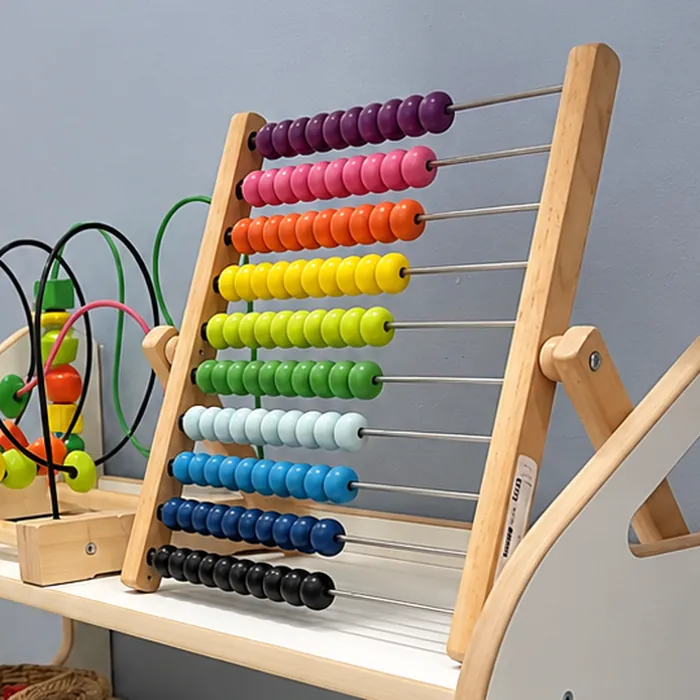
A wooden abacus and bead maze on a low shelf
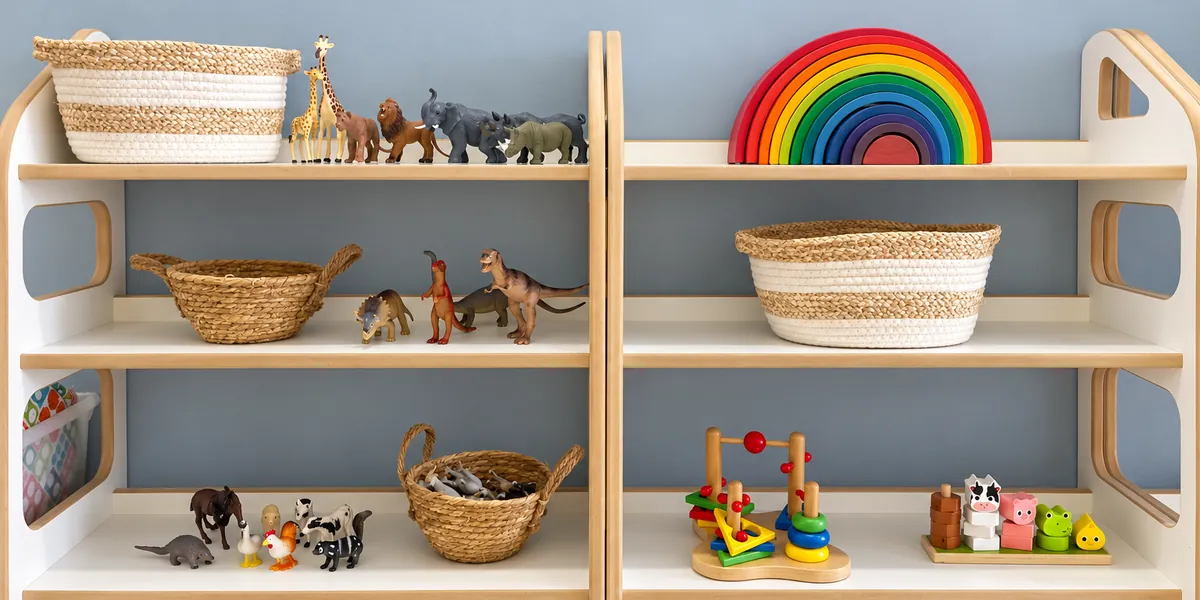
Low white shelves with baskets, animal figures and a wooden rainbow
  • up to 20children in the nursery
  • all yearenrolment open
  • 7:00–17:00opening hours
  • up to 1500 zła month from „Aktywnie w żłobku”

About us · Bonjour means good morning

Relationship first. Everything else follows.

Bonjour Bébé is a small nursery, run since 2013 by its founder, an early-years and special-needs educator. We created a place where every child has time, an attentive adult nearby and room to discover the world in their own way.

Our values

Relationship before curriculum

Feeling safe comes first, learning follows. A child who feels secure reaches for new challenges on their own.

Respect for pace and boundaries

No punishments or rewards, in the spirit of Nonviolent Communication. We name emotions and stay with children through them.

Curiosity through the senses

Inspired by Montessori and Reggio Emilia: natural materials, low shelves and time to try things alone. We read aloud a lot.

Partnership with parents

Settling in with a parent in the room, a daily chat at pick-up, and all documents to read before you decide.

What makes us different

Small group, close bonds

A small group, attentive care and a warm, close atmosphere help children build relationships based on trust, with their caregivers and with each other. We make sure you always know who spends the day with your child.

Experience since 2013

The nursery is run on site by its founder, a qualified early-years educator and special-needs educator.

Specialist support

A psychologist, a speech therapist and a physiotherapist support our team. We notice early what a child needs and guide parents on next steps.

Settling in, Berlin model

A parent stays with the child in the room, and the child, not the calendar, sets how long settling in takes.

Healthy meals, nothing processed

According to our caterer, Zdrowy Maluch, meals are cooked from scratch, with limited sugar and home-grown vegetables in season.

Two kinds of help with fees

A City of Wrocław subsidy on every place (400 zł a month) and the „Aktywnie w żłobku” benefit. We help you through the paperwork.

Living or working in the city centre? We are at Dąbrowskiego 32/1U, a few minutes from Wrocław Główny station.

Our everyday rhythm

A familiar rhythm. A calmer day.

Our daily plan gives the day its shape. We adjust it flexibly, because every child has their own rhythm of sleep, meals and play.

  1. Morning
  2. Nursery opens
  3. Music play
  4. Breakfast
  5. Learning activities from the monthly plan
  6. Walk or playground
  7. Midday
  8. Soup
  9. Nap
  10. Main course
  11. Afternoon
  12. Free play
  13. Afternoon snack
  14. Reading books together
  15. Goodbyes and chats with parents

A start at your own pace

Settling in with a parent, step by step.

We follow the Berlin settling-in model. We don’t promise a fixed number of days: each next step follows your child’s signals.

  1. 1

    Getting to know you

    We talk about your family’s routines, habits and your child’s needs.

  2. 2

    Parent in the room

    Your child explores the new place with you nearby, while a caregiver gently builds a bond.

  3. 3

    A first short goodbye

    When we see your child is ready, we try a short separation, watch how it goes and talk it through with you.

  4. 4

    A longer day

    We extend the time step by step. What matters is how your child feels.

Play matters

Activities that leave room for curiosity.

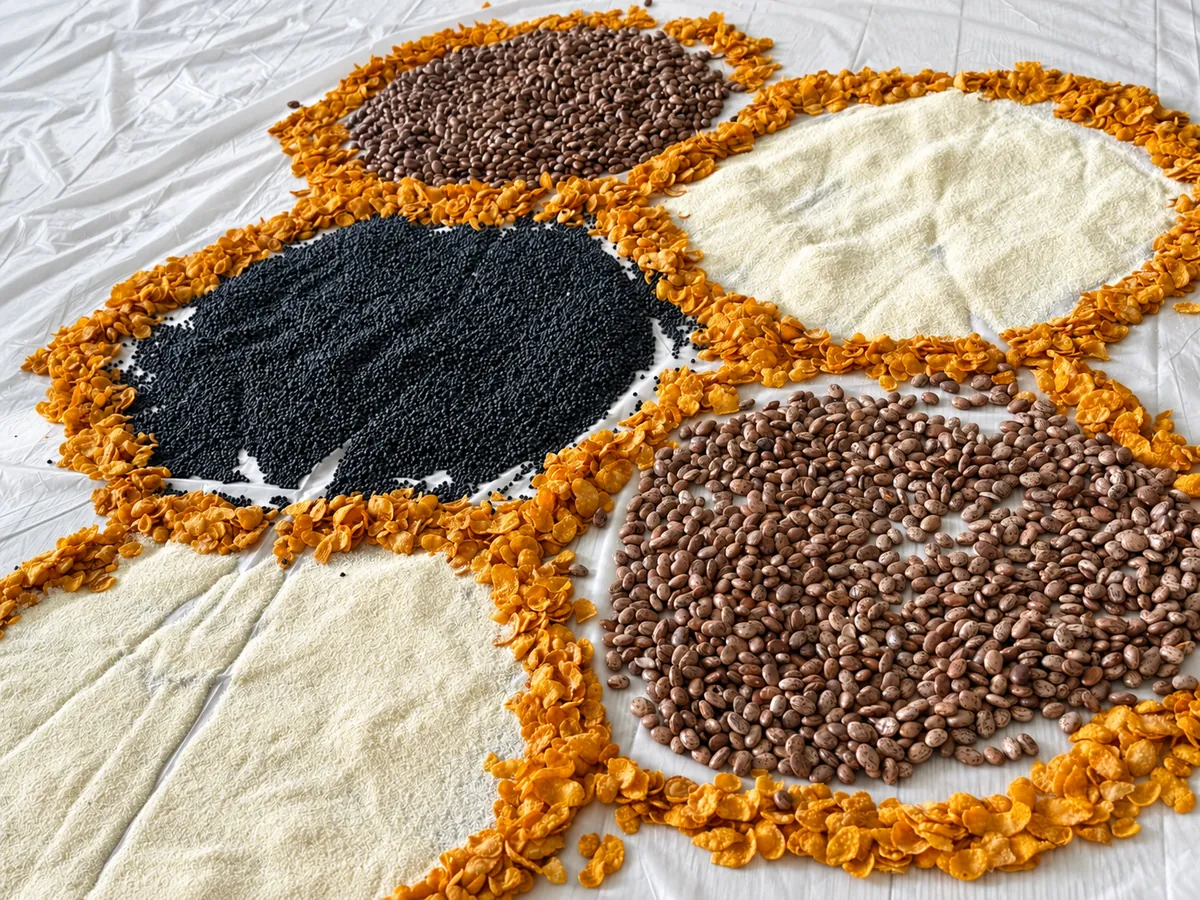
A sensory mosaic of beans, lentils, semolina and cornflakes

Senses and making

Sensoplastyka®

Textures, colours and freedom to experiment.

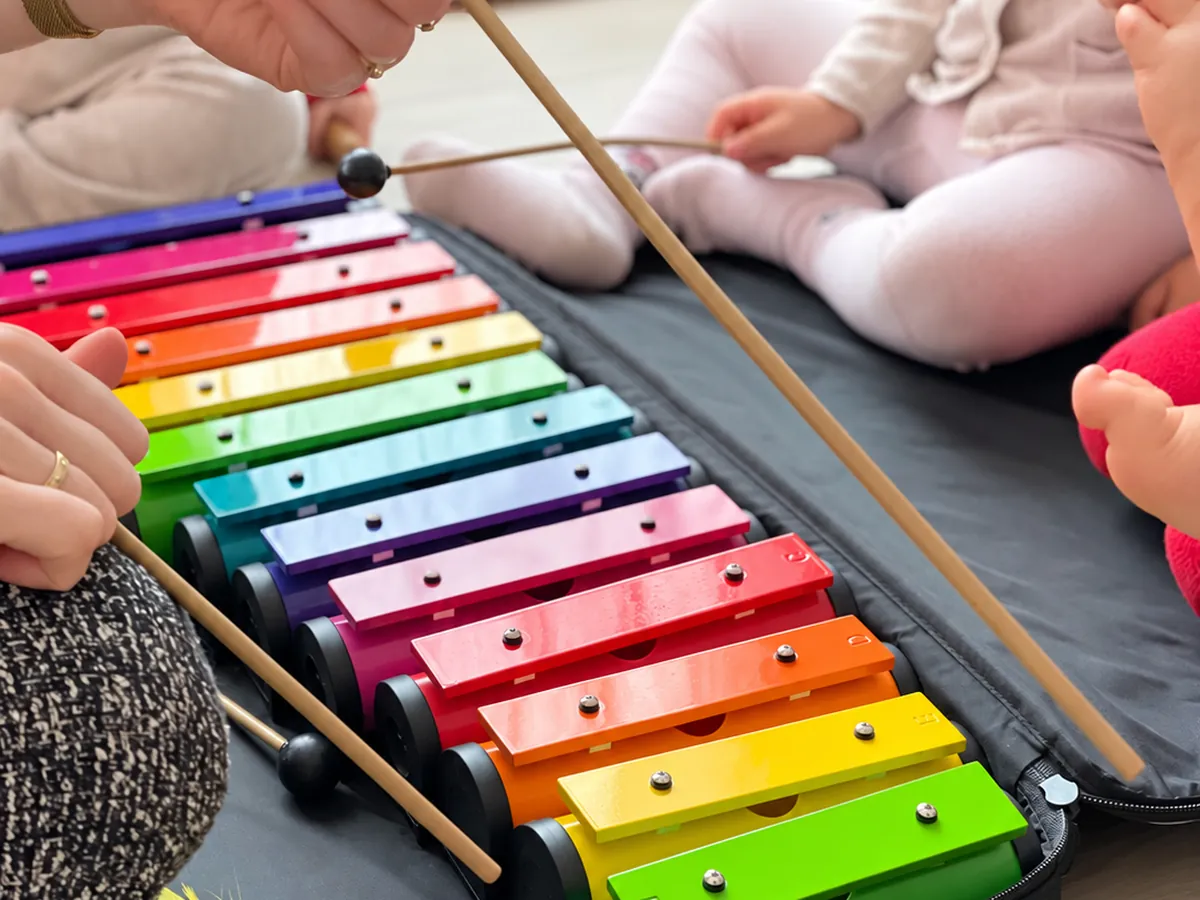
Colourful chime bars and mallets during a music session

Music and movement

Music Care and Gordon concerts

Discovering music through sound, rhythm, singing and movement.

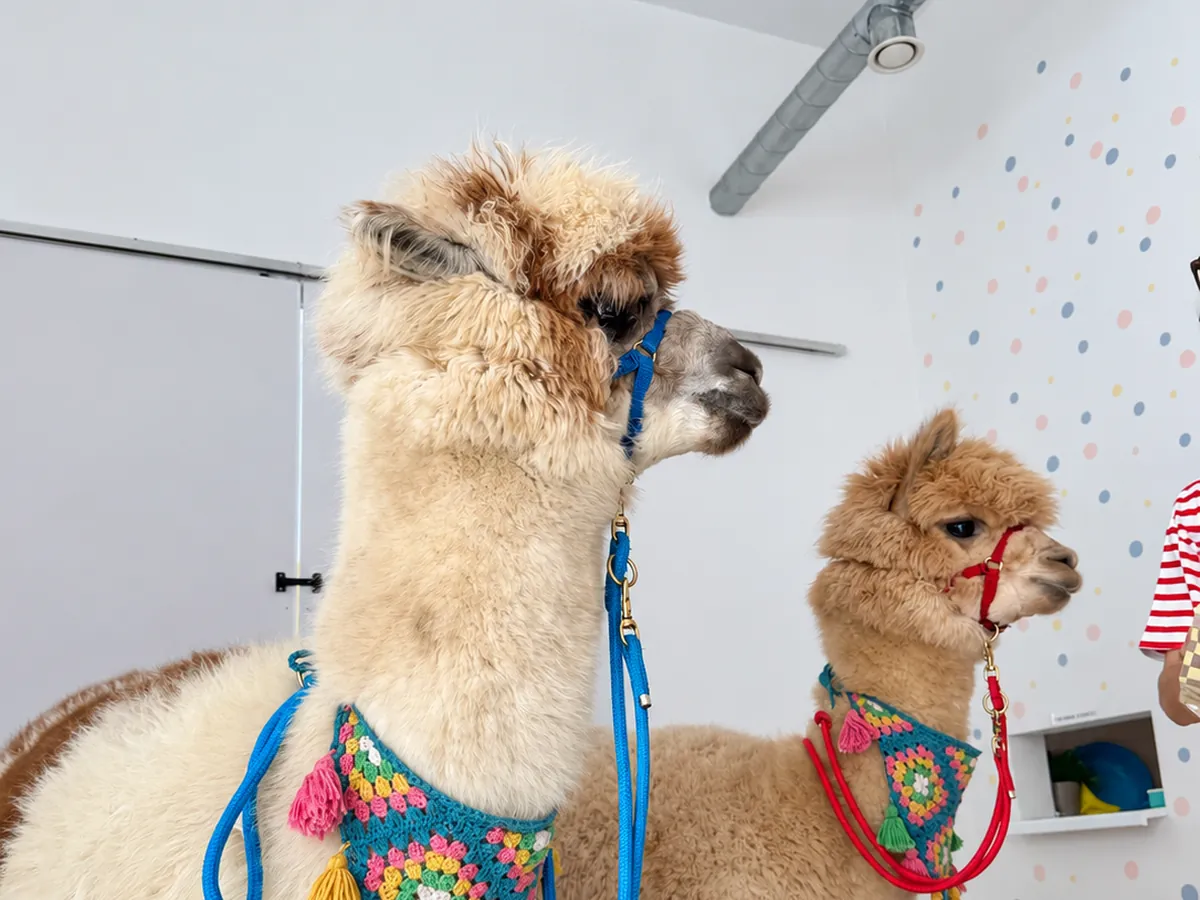
Two alpacas in colourful scarves visiting the nursery

Animals and nature

Meeting animals

Close encounters, discovering nature and building empathy.

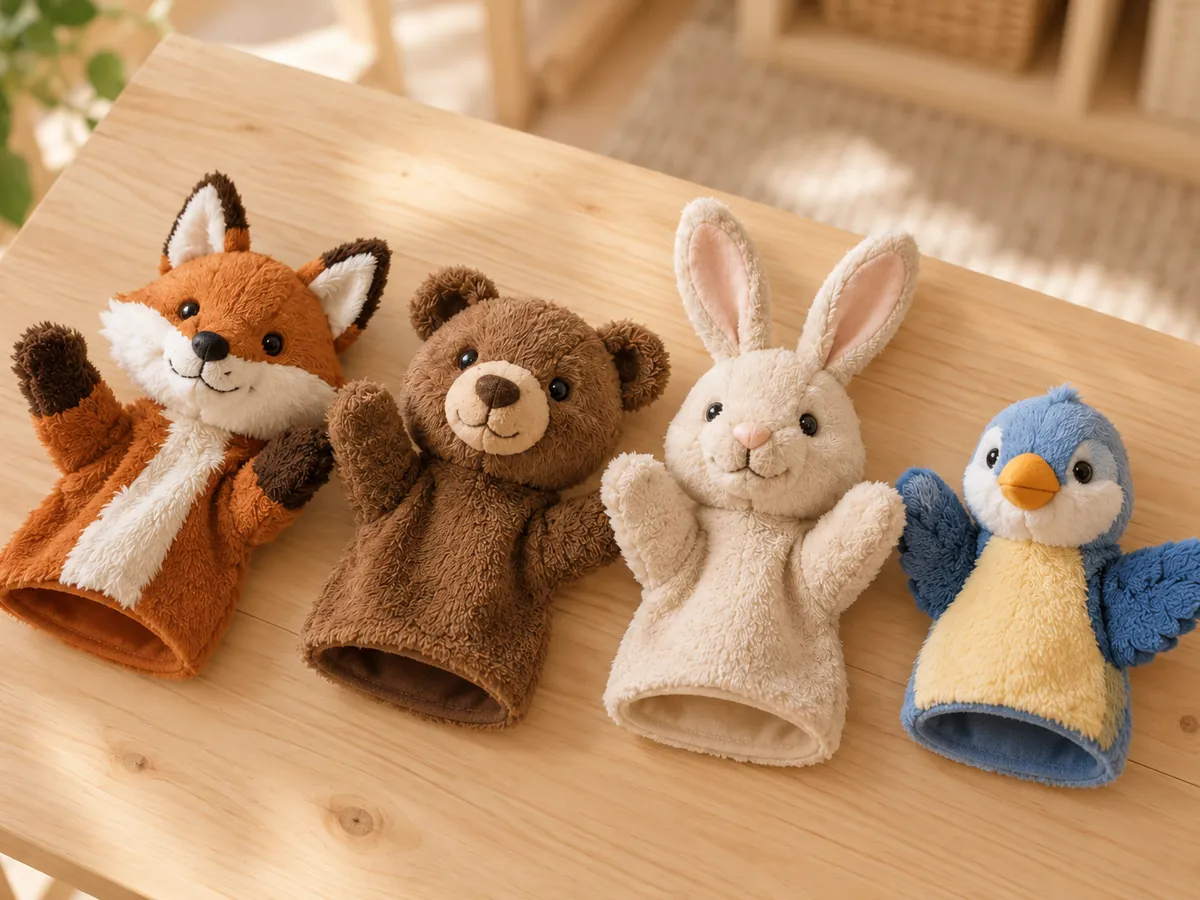
Fox, bear, rabbit and bird hand puppets on a wooden table

Words and imagination

Puppet theatre, musical tales and English

Stories, puppet shows, music and playing with language.

Extra activities come as one package that covers every session. No charges for individual sessions and no separate sign-ups.

Trips beyond the nursery

Getting to know the city, step by step

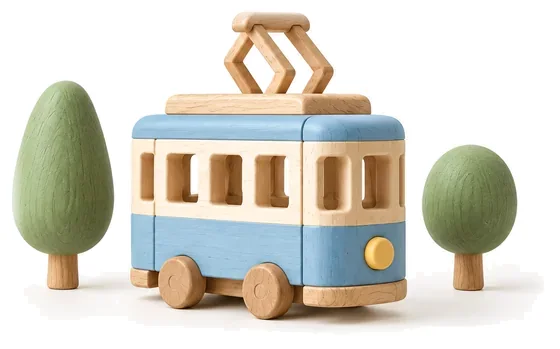
We regularly take the children out, so that outings, new places and public transport become something ordinary and safe for them. We ride trains, trams and buses, and on the way we learn how to get around the city.

  • Salt cave every month
  • Botanical Garden
  • Exhibitions
  • The railway station
  • Trains, trams and buses
  • Libraries
  • Wrocław Market Square
  • …and many more trips

Make yourselves at home

White walls, wood and childhood curiosity.

Two high, spacious rooms, low shelves and books within reach. We avoid loud interiors and baby talk, and leave room for rest, ideas and everyday discoveries.

People make the place

Close to the child. In touch with parents.

We choose our team for their approach to children, their teaching skills and their sensitivity to children’s needs. We keep developing our skills through training in, among other things, supporting child development and first aid.

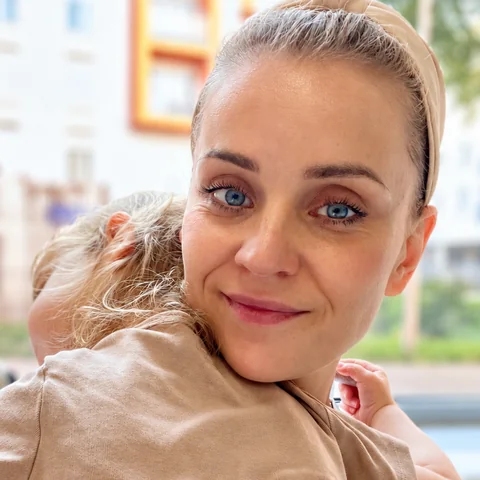
Anna Frach-Popielarska, founder of Bonjour Bébé, with a child hugging her
“I wanted to create a place that gives children and their parents peace of mind and the assurance of reliable care.”
Anna Frach-Popielarskafounder and director · early-years educator and special-needs educator

What parents ask about

What your child eats, and how we keep them safe.

Food

Meals are prepared by Zdrowy Maluch, a caterer cooking for nurseries and preschools.

  • Free-range eggs and, in season, vegetables grown on their own farm near Wrocław
  • Meals cooked from scratch, without processed products
  • Home-made baking with limited sugar
  • Before you enrol, we send the menu and discuss allergies and diets

Safety

The nursery is officially registered and supervised by the Wrocław City Council health and social affairs department.

  • Certified furniture, toys and paints
  • Positive inspections from the fire service and Sanepid (health inspectorate)
  • Regular paediatric and infant first-aid training
  • Matching high-visibility scarves on walks

Support for your family

Fees and funding.

We tailor care to your needs, so we discuss costs individually. Two kinds of support can lower your monthly fee.

up to 1500 zł / month

„Aktywnie w żłobku”

A benefit from the government’s Aktywny Rodzic programme, paid by ZUS. It reduces the nursery fee; for children with a disability certificate it can reach 1900 zł. It does not cover meals.

Rules on the ZUS website (in Polish)

400 zł / month

City of Wrocław subsidy

All 20 places at Bonjour Bébé are subsidised by the City of Wrocław. The subsidy is 400 zł a month and reduces your child’s nursery fee.

Ask about a free place

Want to know the full cost? We’ll send the current cost of childcare and the extra-activities package, meal costs and how the funding is settled.

Request our offer

Parents ask

Before we say „bonjour”.

Can’t find your answer? Call us: +48 507 879 104.

Can we join during the year?

Yes. We enrol all year round. If a place is free, you can start at any time.

Does a parent really stay during settling in?

Yes. A parent stays with the child in the room, and first separations and longer days follow the child’s readiness.

How long does settling in take?

Every child needs a different amount of time. Plan for a calm, gradual start. We agree on the plan and adjust it together with you.

Do you go outside every day?

A walk is a regular part of the day. We adjust it to the weather, air quality and how the children feel.

Which documents do we get before deciding?

Our offer, the menu and a sample contract to read calmly at home.

Can we visit the nursery first?

Of course. Call or email us to arrange a time. We’ll show you around and tell you about our day.

Let’s start with a chat

Come and meet us.

Tell us about your child, ask about a free place or book a visit. The quickest way to reach us is by phone.

Email
Address
ul. J.H. Dąbrowskiego 32/1U
50-457 Wrocław, Poland
Get directions

Just include your child’s date of birth, your preferred start date and a phone number. We’ll talk through the rest.

Email Call

Senses and making

Sensoplastyka®

Creative play with natural materials: buckwheat, beans, rice, pasta, fruit, vegetables and home-made doughs. Children pour, knead, mix and discover new textures, colours, smells and sounds, with no set pattern and no judging the result.

This kind of play develops the senses, fine motor skills and concentration, and brings lots of joy.

From our sessions

Tap a photo to enlarge it.

Music and movement

Music Care and Gordon concerts

Music is part of our everyday nursery life. In sessions children listen, sing, play simple instruments and move to the rhythm. We don’t drill songs or judge anyone; what matters is the joy of making music together.

Grajki Małej Zgrajki (“Little Band’s Tunes”) is an original programme created by Natalia Bury, who runs Music Care. Here music is above all play and a way of being close to each other. Children discover the world of sound, rhythm and movement: they play instruments, sing, listen and respond to music with their whole body. No one has to do anything; every child takes part in their own way and at their own pace. Through play, musical sensitivity, coordination and attention grow.

Gordon concerts are prepared for us by Wytwórnik Muzyczny from Wrocław. They are based on Edwin Gordon’s music learning theory. Musicians play and sing live, often without words, and children listen however they like: sitting, lying down, dancing or walking up to the instruments. Just as with learning to speak, they first soak up music and only later start making it themselves.

From Grajki Małej Zgrajki

From a Gordon concert

Tap a photo to enlarge it.

Animals and nature

Meeting animals

Meeting an animal is a big experience for little ones. Children learn how to approach an animal calmly and safely; they watch, touch and feed it. Along the way they naturally develop empathy, patience and respect for other living beings.

Świat Alpak (Alpaca World), run by Estera Juzwenko, visits us with its alpacas. Children learn the alpacas’ names, where they come from and how to care for them, and then can stroke them and feed them carrots. The alpacas’ gentle nature helps children calm down, and playing near the animals supports coordination, concentration and self-confidence.

ZooMania brings smaller, tame animals to the nursery, for example roosters, little wallabies, pygmy hedgehogs, tortoises, squirrels or sugar gliders. Children see them up close, learn what they eat and how they live, and can gently stroke some of them. It’s a nature lesson where the animal is real, not just a picture.

From Świat Alpak

From ZooMania

Tap a photo to enlarge it.

Words and imagination

Puppet theatre, musical tales and English

Stories, puppet shows, music and playing with language build speech, imagination and careful listening. The little ones don’t just watch: they sing, copy sounds and join in the story themselves.

Pani Teatrzyk (Mrs Puppet Theatre), Klaudia Kąca-Jasic, visits every month with an old suitcase full of hand puppets. Princesses, knights and animals pop out of it, and sometimes a real curtained stage appears. The short, simple stories suit the youngest children: they answer the characters, repeat words and live the tale together with them.

Muzobajki by Mariola Dereń visit us two or three times a year. They are fairy tales told through music. The performers build a story from simple props, colourful sets and everyday objects children know, with music played live. Children tap out the rhythm, listen to how the instruments sound and live the story together with its characters.

English is part of every day: in songs and musical games or while reading picture books. The little ones get used to the sound of the language naturally, through play, with no pressure to learn.

From Pani Teatrzyk

From Muzobajki

Tap a photo to enlarge it.